As a hot water booster pump supplier, I often receive inquiries from customers about how to adjust the pressure of these pumps. Proper pressure adjustment is crucial for ensuring the optimal performance of the hot water system, preventing issues like low water flow or excessive pressure that can damage the pipes and fixtures. In this blog post, I'll share some in - depth knowledge on adjusting the pressure of hot water booster pumps.
Understanding Hot Water Booster Pumps
Before delving into the pressure adjustment process, it's essential to have a basic understanding of hot water booster pumps. These pumps are designed to increase the water pressure in a hot water system, ensuring that hot water reaches all fixtures in a building effectively. The demand for hot water can vary significantly depending on the number of users and the time of day. A well - adjusted booster pump can adapt to these changing demands and maintain a consistent water pressure.
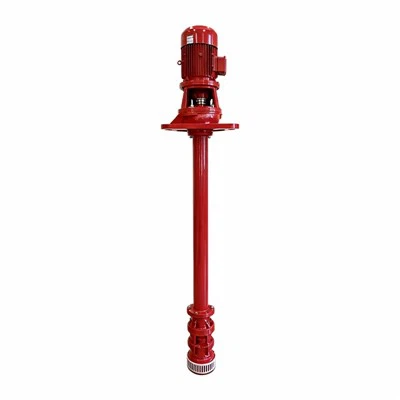
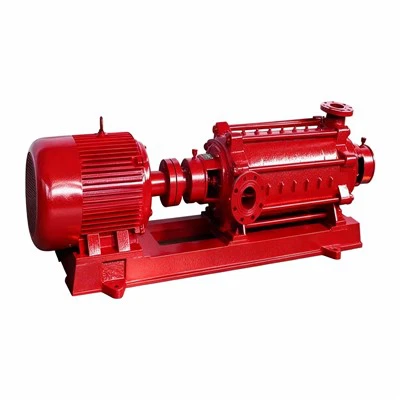
There are different types of hot water booster pumps available in the market. For instance, the Variable Frequency Booster Pump for High - rise is a popular choice for high - rise buildings. This type of pump can adjust its speed according to the water demand, which means it can save energy and provide a stable water pressure. Another type is the Single - Stage Double Suction Split Case Pump, known for its high efficiency and reliable performance in large - scale water supply systems. And the Water Supply Booster Pump Set for High - rise is specifically designed to meet the high - pressure requirements of high - rise buildings.


Tools Required for Pressure Adjustment
To adjust the pressure of a hot water booster pump, you'll need a few tools:
- Pressure gauge: This is used to measure the current pressure of the water system. It provides accurate readings so that you can determine whether the pressure needs to be increased or decreased.
- Screwdriver: A flat - head or Phillips - head screwdriver, depending on the type of adjustment screws on the pump.
- Spanner or wrench: Some pumps may require a spanner or wrench to loosen or tighten nuts and bolts during the adjustment process.
Step - by - Step Guide to Adjust the Pressure
Step 1: Safety First
Before starting any work on the pump, make sure to turn off the power supply to the pump. This prevents any electrical hazards. Also, let the pump cool down if it has been running recently, as the components can get very hot.
Step 2: Locate the Pressure Adjustment Device
All hot water booster pumps come with a pressure adjustment device. This could be a pressure switch or a control valve. In most cases, the pressure switch is located on the side of the pump. It has an adjustment screw or a knob that you can turn to change the pressure settings.
Step 3: Measure the Current Pressure
Use the pressure gauge to measure the current water pressure. Connect the pressure gauge to a suitable port on the water system, usually near the pump output. Note down the reading. Most hot water systems require a pressure of around 30 - 50 psi (pounds per square inch), but the exact value may vary depending on the building's requirements and the type of fixtures.
Step 4: Adjust the Pressure
If the measured pressure is lower than the desired value, you need to increase the pressure. To do this, use the screwdriver or the appropriate tool to turn the adjustment screw on the pressure switch clockwise. Make small adjustments, usually a quarter - turn at a time. After each adjustment, turn on the power supply to the pump briefly and check the pressure again using the pressure gauge.
If the pressure is too high, turn the adjustment screw counter - clockwise. Again, make small adjustments and re - check the pressure until you reach the desired level.
Step 5: Fine - Tuning
Once you are close to the desired pressure, make very small adjustments to fine - tune the pressure. This ensures that the water pressure is stable and within the acceptable range.
Step 6: Test the System
After adjusting the pressure, run the hot water system for a while to check if the pressure remains stable. Open different hot water fixtures in the building, such as faucets and showers, and observe the water flow. If the water flow is consistent and the pressure is maintained, then the adjustment was successful.
Common Issues and Troubleshooting
Pressure Fluctuations
If you notice pressure fluctuations after the adjustment, it could be due to a faulty pressure switch. Check the pressure switch for any signs of damage or wear. You may need to replace the pressure switch if it is not functioning properly.
Low Water Flow
Even after adjusting the pressure, if you still experience low water flow, there could be a blockage in the pipes. Check the pipes for any debris or sediment that may be restricting the water flow. You may need to clean or replace the pipes if necessary.
Excessive Pressure
If the pressure is still too high after adjustment, it could be that the adjustment range of the pressure switch is not suitable for your system. In this case, you may need to consult a professional or consider upgrading to a more suitable pressure switch.
Contact Us for Your Hot Water Booster Pump Needs
If you are in the market for a high - quality hot water booster pump or need further assistance with pressure adjustment, we are here to help. Our team of experts has extensive experience in the field of water supply systems and can provide you with the best solutions tailored to your specific requirements. Whether you need a Variable Frequency Booster Pump for High - rise, a Single - Stage Double Suction Split Case Pump, or a Water Supply Booster Pump Set for High - rise, we have a wide range of products to meet your needs. Contact us today to discuss your project and start a successful business partnership.
References
- Hydraulic Institute Standards for Centrifugal Pumps.
- Manufacturer's manuals for hot water booster pumps.