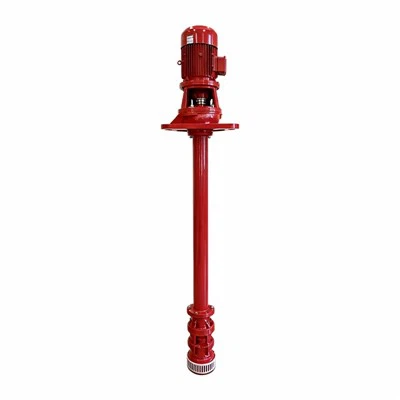
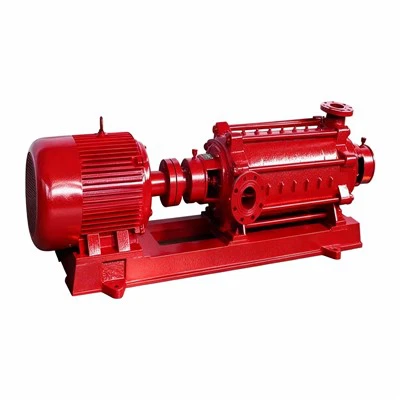
Measuring water pressure before and after installing a hot water booster pump is a crucial step in evaluating the effectiveness of the pump and ensuring optimal performance of your hot water system. As a hot water booster pump supplier, I understand the importance of accurate pressure measurement and how it can impact the overall functionality of the system. In this blog post, I will share my insights on how to measure water pressure before and after installing a hot water booster pump.
Why Measure Water Pressure?
Before delving into the measurement process, it's essential to understand why measuring water pressure is important. Water pressure plays a significant role in the performance of a hot water system. Insufficient water pressure can lead to slow or weak water flow, which can be frustrating for users. On the other hand, excessive water pressure can cause damage to pipes, fixtures, and appliances, leading to costly repairs.
By measuring water pressure before and after installing a hot water booster pump, you can determine whether the pump is effectively increasing the water pressure to the desired level. This information can help you make informed decisions about the pump's performance and ensure that your hot water system is operating efficiently.
Measuring Water Pressure Before Installation
Before installing a hot water booster pump, it's important to measure the existing water pressure in your system. This will provide a baseline for comparison after the pump is installed. Here's how you can measure the water pressure:
Step 1: Gather the Necessary Tools
You will need a water pressure gauge, which can be purchased at a hardware store. Make sure the gauge is suitable for measuring water pressure and has a range that includes the expected pressure in your system.
Step 2: Locate the Main Water Supply Valve
The main water supply valve is usually located near the water meter or where the water enters your building. Turn off the valve to stop the water flow.
Step 3: Attach the Pressure Gauge
Find an outdoor faucet or a hose bib that is connected to the main water supply. Remove the faucet aerator and attach the pressure gauge to the faucet. Make sure the connection is tight to prevent any leaks.
Step 4: Turn on the Water
Slowly turn on the main water supply valve to allow water to flow into the pressure gauge. The gauge will display the water pressure in pounds per square inch (psi). Take note of the reading.
Step 5: Repeat the Measurement
To ensure accuracy, repeat the measurement at different faucets in your building. This will help you determine if there are any variations in water pressure throughout the system.
Measuring Water Pressure After Installation
After installing the hot water booster pump, it's important to measure the water pressure again to evaluate the pump's performance. Here's how you can measure the water pressure after installation:
Step 1: Allow the Pump to Run
Turn on the hot water booster pump and allow it to run for a few minutes to ensure that the system is fully pressurized.
Step 2: Measure the Water Pressure
Follow the same steps as before to measure the water pressure at different faucets in your building. Compare the readings with the baseline measurements taken before installation.
Step 3: Evaluate the Results
If the water pressure has increased significantly after installing the hot water booster pump, it indicates that the pump is working effectively. However, if the water pressure has not increased or has increased only slightly, it may be necessary to adjust the pump settings or check for any issues with the installation.
Factors Affecting Water Pressure
Several factors can affect the water pressure in your hot water system. Understanding these factors can help you troubleshoot any issues and ensure optimal performance of the system. Here are some common factors that can affect water pressure:
Pipe Size and Length
The size and length of the pipes in your hot water system can impact the water pressure. Smaller pipes or longer pipe runs can cause a decrease in water pressure due to increased friction.


Elevation
The elevation of your building can also affect the water pressure. If your building is located at a higher elevation, the water pressure may be lower due to the increased distance from the water source.
Water Demand
The amount of water being used at any given time can also affect the water pressure. If multiple faucets or appliances are being used simultaneously, the water pressure may decrease.
Pump Capacity
The capacity of the hot water booster pump can also impact the water pressure. If the pump is not powerful enough to meet the demand, the water pressure may be insufficient.
Choosing the Right Hot Water Booster Pump
Choosing the right hot water booster pump is essential for ensuring optimal performance of your hot water system. Here are some factors to consider when selecting a hot water booster pump:
Flow Rate
The flow rate of the pump refers to the amount of water it can deliver per minute. Make sure to choose a pump with a flow rate that is suitable for your hot water system.
Pressure Rating
The pressure rating of the pump refers to the maximum pressure it can generate. Choose a pump with a pressure rating that is sufficient to meet the needs of your hot water system.
Energy Efficiency
Look for a pump that is energy-efficient to reduce your energy costs. Energy-efficient pumps can help you save money in the long run.
Durability
Choose a pump that is made of high-quality materials and is built to last. A durable pump will require less maintenance and will provide reliable performance for years to come.
Our Hot Water Booster Pump Products
As a hot water booster pump supplier, we offer a wide range of high-quality pumps to meet the needs of different hot water systems. Our pumps are designed to provide reliable performance and energy efficiency. Here are some of our popular products:
- Stainless Steel Booster Pump: Our stainless steel booster pumps are made of high-quality stainless steel, which makes them corrosion-resistant and durable. They are suitable for a variety of applications, including residential and commercial hot water systems.
- HVAC Water Circulation Pump: Our HVAC water circulation pumps are designed to circulate water in heating and cooling systems. They are energy-efficient and provide reliable performance.
- High-rise Variable Frequency Booster Pump: Our high-rise variable frequency booster pumps are specifically designed for high-rise buildings. They can adjust the water pressure according to the demand, which helps to save energy and reduce costs.
Contact Us for Purchase and Consultation
If you are interested in purchasing a hot water booster pump or have any questions about our products, please feel free to contact us. Our team of experts will be happy to assist you in choosing the right pump for your hot water system and provide you with professional advice and support.
References
- "Water Pressure: What It Is and How to Measure It." The Spruce, 2021.
- "How to Choose the Right Water Booster Pump." Home Depot, 2021.
- "Hot Water Booster Pumps: A Guide to Installation and Maintenance." PlumbingSupply.com, 2021.