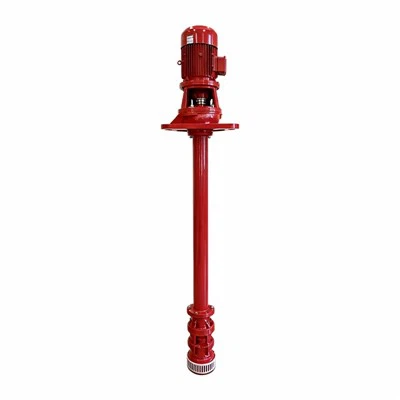
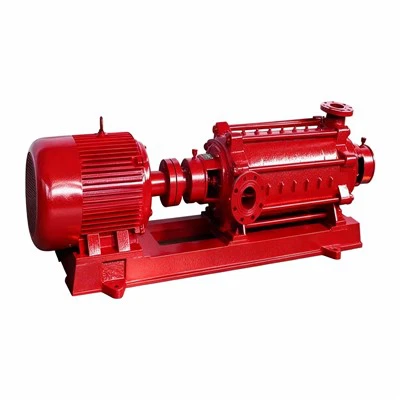
Adjusting the flow rate of a vertical sewage pump is a crucial aspect of ensuring its efficient and effective operation. As a leading supplier of Vertical Sewage Pump, we understand the importance of this process and are here to guide you through the steps.
Understanding the Basics of Flow Rate
Before delving into the adjustment process, it's essential to understand what flow rate means. Flow rate refers to the volume of fluid that passes through the pump in a given period, typically measured in gallons per minute (GPM) or cubic meters per hour (m³/h). The flow rate of a vertical sewage pump is influenced by several factors, including the pump's design, the size of the impeller, the speed of the motor, and the system's resistance.
Factors Affecting Flow Rate
- Pump Design: Different pump designs have varying capabilities in terms of flow rate. For example, a Non Clog Sewage Pump is designed to handle solids and debris, which can affect the flow rate. The shape and size of the pump's casing, impeller, and volute all play a role in determining the flow rate.
- Impeller Size: The size of the impeller is directly related to the flow rate. A larger impeller can move more fluid in a given time, resulting in a higher flow rate. However, increasing the impeller size also requires more power from the motor.
- Motor Speed: The speed of the motor determines how fast the impeller rotates. A higher motor speed generally results in a higher flow rate. However, it's important to note that increasing the motor speed also increases the power consumption and can put additional stress on the pump.
- System Resistance: The resistance in the system, such as pipes, valves, and fittings, can affect the flow rate. Higher resistance can reduce the flow rate, as the pump has to work harder to overcome the resistance.
Methods for Adjusting Flow Rate
There are several methods for adjusting the flow rate of a vertical sewage pump. Here are some common approaches:
1. Throttle Valve
A throttle valve is a simple and effective way to adjust the flow rate. By partially closing the valve, the resistance in the system is increased, which reduces the flow rate. This method is suitable for applications where the flow rate needs to be adjusted within a relatively small range.
To use a throttle valve, follow these steps:
- Locate the throttle valve on the discharge pipe of the pump.
- Gradually close the valve to reduce the flow rate. Monitor the flow rate using a flow meter or by observing the performance of the system.
- Once the desired flow rate is achieved, lock the valve in place.
2. Variable Frequency Drive (VFD)
A Variable Frequency Drive (VFD) is a more advanced method for adjusting the flow rate. A VFD allows you to control the speed of the motor, which in turn affects the flow rate. By reducing the motor speed, the flow rate can be decreased, and vice versa.
The advantages of using a VFD include:
- Energy savings: By operating the pump at a lower speed, the power consumption can be reduced.
- Precise control: A VFD allows for precise control of the flow rate, which is useful in applications where a specific flow rate is required.
- Soft start and stop: A VFD can provide a soft start and stop for the pump, which reduces the stress on the pump and the system.
To use a VFD, follow these steps:
- Install the VFD according to the manufacturer's instructions.
- Connect the VFD to the motor and the power supply.
- Set the desired speed and flow rate using the VFD's control panel.
- Monitor the performance of the pump and make adjustments as needed.
3. Impeller Trimming
Impeller trimming is a method of reducing the flow rate by reducing the size of the impeller. This method is typically used when the pump is oversized for the application and the flow rate needs to be reduced significantly.
To trim the impeller, follow these steps:
- Disassemble the pump and remove the impeller.
- Use a lathe or other machining tools to trim the impeller to the desired size.
- Reassemble the pump and test the flow rate.
It's important to note that impeller trimming should only be done by a qualified technician, as improper trimming can damage the pump and affect its performance.
Safety Considerations
When adjusting the flow rate of a vertical sewage pump, it's important to follow safety procedures to prevent accidents and injuries. Here are some safety considerations:


- Turn off the power: Before making any adjustments to the pump, turn off the power to the pump and lock out the electrical panel to prevent accidental startup.
- Wear protective gear: Wear appropriate protective gear, such as gloves, safety glasses, and a hard hat, when working on the pump.
- Follow the manufacturer's instructions: Always follow the manufacturer's instructions for adjusting the flow rate of the pump. Improper adjustments can damage the pump and affect its performance.
- Monitor the system: Monitor the performance of the pump and the system during and after the adjustment to ensure that the flow rate is within the desired range.
Conclusion
Adjusting the flow rate of a vertical sewage pump is an important process that can help ensure its efficient and effective operation. By understanding the factors that affect flow rate and using the appropriate adjustment methods, you can optimize the performance of the pump and meet the requirements of your application.
As a Vertical Sewage Pump supplier, we are committed to providing high-quality pumps and excellent customer service. If you have any questions or need assistance with adjusting the flow rate of your pump, please don't hesitate to contact us. We look forward to working with you to meet your sewage pumping needs.
References
- Pump Handbook, by Karassik, McGuire, Cooper, and Gopalakrishnan.
- Hydraulic Institute Standards for Centrifugal Pumps.