Different Application Scenarios
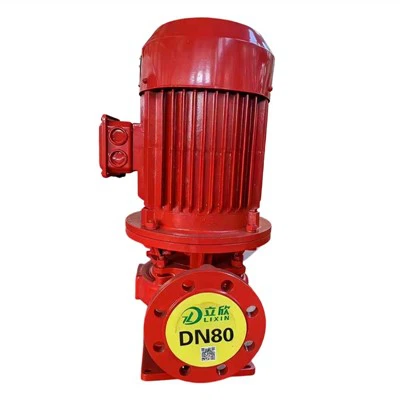
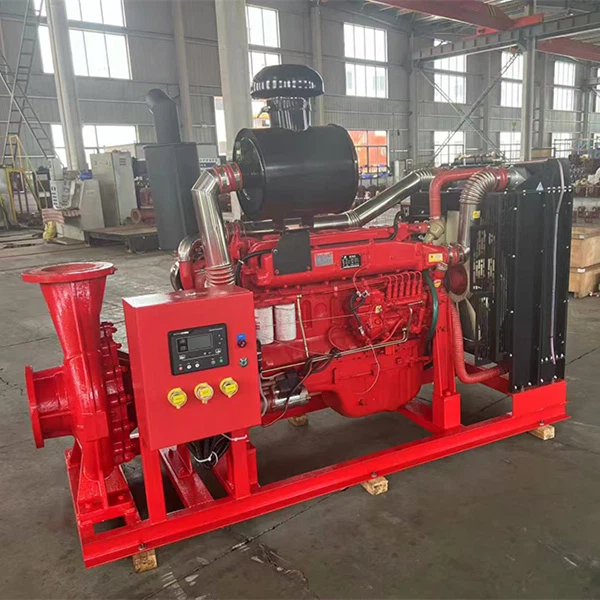
Water supply pumps are mainly used in cities, towns, and rural areas to transport clean water such as tap water, well water, and spring water for hot water supply, refrigeration circulation, etc., in production and daily life. Drainage pumps, on the other hand, are mainly used in the transportation and discharge of urban rainwater, sewage, industrial wastewater, rural domestic sewage, and reclaimed water, serving functions such as discharging sewage and reducing sewage pressure.
Different Working Principles
Water supply pumps work by using a motor to drive an impeller to rotate, transporting water from a lower to a higher level, achieving variable-speed flow of liquid, raising the water level or increasing pressure. Drainage pumps, however, use the power of a motor to drive a rotor to rotate, creating negative pressure within the pump body to draw in water, generating positive pressure to raise the water and make it flow. Their working principles are opposite.
Different Structural Features
Water supply pumps have a more aesthetically pleasing appearance and usually adopt an integral structural design. Due to the high requirements for transporting horizontal or vertical water flow, the materials used for shaft seals and other sealing components inside the pump body are of higher quality. Guide vanes are needed between the impeller and the pump body to ensure smooth and stable water flow. Drainage pumps are relatively bulky in appearance. Due to the characteristics of water transport, they usually adopt a split structure design, with the pump and motor separated. The internal sealing requirements of the pump body are low, and the impeller can also be designed as a transparent or semi-transparent open type to facilitate cleaning and maintenance. Materials such as wear-resistant rubber and alloy steel can be selected.