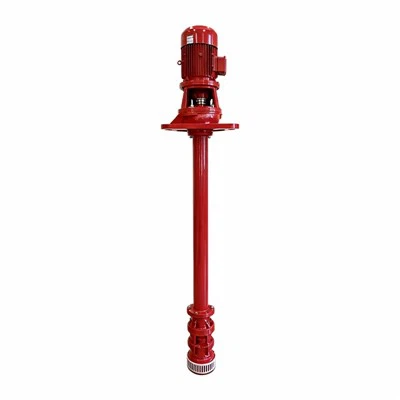
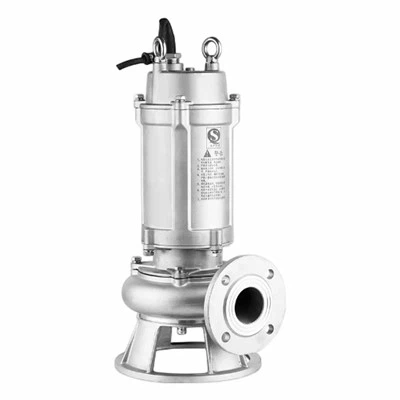
Hey there! I'm an HVAC water circulation pump supplier, and today I'm gonna talk about the flow control devices used with an HVAC water circulation pump.
Why Flow Control is Important
First off, let's understand why flow control is so crucial in an HVAC system. In a nutshell, proper flow control ensures that the right amount of water is circulated through the system at the right time. This not only improves the efficiency of the HVAC system but also helps in maintaining a comfortable indoor environment. If the flow is too high, it can lead to unnecessary energy consumption, and if it's too low, the system may not be able to cool or heat the space effectively.
Types of Flow Control Devices
1. Valves
Valves are one of the most common flow control devices used in HVAC water circulation systems. There are several types of valves, each with its own unique characteristics and applications.
- Globe Valves: These valves are great for throttling the flow of water. They have a disc that moves up and down to control the opening and closing of the valve. Globe valves are often used in systems where precise flow control is required. They're relatively easy to operate and can be adjusted to different flow rates.
- Butterfly Valves: Butterfly valves are lightweight and have a low-pressure drop. They work by rotating a disc inside the valve body to control the flow. These valves are suitable for large-diameter pipes and are often used in HVAC systems where quick shut-off is needed.
- Ball Valves: Ball valves are known for their durability and tight shut-off. They have a ball with a hole in the middle that can be rotated to open or close the valve. Ball valves are commonly used in applications where a full-flow or shut-off is required.
2. Flow Meters
Flow meters are used to measure the flow rate of water in the HVAC system. They provide valuable information that can be used to adjust the flow control devices.
- Magnetic Flow Meters: These meters use the principle of electromagnetic induction to measure the flow of water. They're non-intrusive, which means they don't require any moving parts in the pipe. Magnetic flow meters are accurate and can be used in a wide range of applications.
- Ultrasonic Flow Meters: Ultrasonic flow meters use ultrasonic waves to measure the flow of water. They're also non-intrusive and can be easily installed on the outside of the pipe. Ultrasonic flow meters are suitable for both clean and dirty water applications.
3. Variable Frequency Drives (VFDs)
VFDs are becoming increasingly popular in HVAC water circulation systems. They work by adjusting the speed of the pump motor, which in turn controls the flow rate of water.
- Energy Savings: One of the main advantages of using VFDs is energy savings. By adjusting the pump speed according to the actual demand, VFDs can reduce the energy consumption of the pump. This not only saves money but also helps in reducing the environmental impact.
- Improved System Performance: VFDs can also improve the performance of the HVAC system. They can provide a more stable flow rate, which helps in maintaining a consistent temperature and humidity level in the space.
Our Products and Their Compatibility with Flow Control Devices
As an HVAC water circulation pump supplier, we offer a range of products that are compatible with different flow control devices.
- HVAC Cooling Water Pump: Our HVAC cooling water pumps are designed to work efficiently with various flow control valves and meters. They're built to handle high flow rates and can be easily integrated into existing HVAC systems.
- Variable Frequency Booster Pump for High-rise: Our variable frequency booster pumps are ideal for high-rise buildings. They can be controlled by VFDs to adjust the flow rate according to the demand, ensuring a stable water supply.
- Stainless Steel Booster Pump: Our stainless steel booster pumps are corrosion-resistant and can be used in a variety of applications. They're compatible with different types of valves and flow meters, providing reliable performance.
How to Choose the Right Flow Control Device
Choosing the right flow control device depends on several factors, such as the type of HVAC system, the flow rate requirements, and the budget.


- System Requirements: First, you need to understand the requirements of your HVAC system. Consider the size of the system, the type of load, and the operating conditions. This will help you determine the appropriate flow control device.
- Flow Rate: The flow rate is an important factor to consider. You need to ensure that the flow control device can handle the required flow rate without causing any pressure drop or other issues.
- Budget: Finally, consider your budget. There are different types of flow control devices available at different price points. You need to choose a device that meets your requirements and fits within your budget.
Conclusion
In conclusion, flow control devices play a crucial role in the efficient operation of an HVAC water circulation system. By choosing the right flow control device, you can improve the performance of your HVAC system, save energy, and reduce costs. If you're in the market for an HVAC water circulation pump or need advice on flow control devices, don't hesitate to reach out. We're here to help you find the best solution for your needs.
References
- ASHRAE Handbook - HVAC Systems and Equipment
- Hydronic Heating and Cooling Systems by Dan Holohan