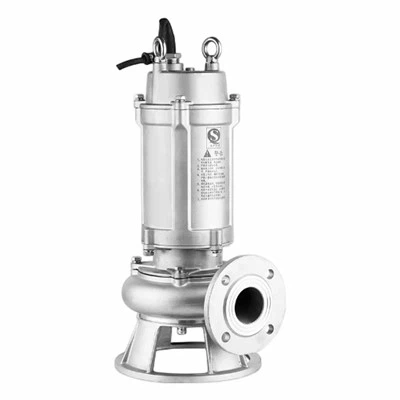
Hey there! As a supplier of vertical sewage pumps, I often get asked about the vibration level of these pumps during operation. It's a crucial aspect that can significantly impact the performance, lifespan, and overall efficiency of the pump. So, let's dive into what the vibration level of a vertical sewage pump during operation really means and why it matters.
Understanding Vibration in Vertical Sewage Pumps
First off, vibration is a natural occurrence in any mechanical device, and vertical sewage pumps are no exception. When a pump is running, various components like the motor, impeller, and shaft are in motion. These moving parts can generate vibrations. However, the key is to keep these vibrations within an acceptable range.
Excessive vibration can be a sign of several issues. It might indicate misalignment of the pump and motor, worn-out bearings, or a problem with the impeller. If left unchecked, high vibration levels can lead to premature wear and tear of the pump components, increased energy consumption, and even complete pump failure.
Factors Affecting Vibration Levels
There are several factors that can influence the vibration level of a vertical sewage pump during operation. Let's take a look at some of the most common ones:
1. Pump Design and Construction
The design of the pump plays a significant role in determining its vibration characteristics. A well-designed pump with a balanced impeller and a sturdy housing is less likely to vibrate excessively. At our company, we pay close attention to the design and construction of our Stainless Steel Sewage Pump. We use high-quality materials and advanced manufacturing techniques to ensure that our pumps are well-balanced and durable.
2. Installation
Proper installation is crucial for minimizing vibration. If the pump is not installed correctly, it can cause misalignment, which in turn leads to increased vibration. Our installation team is highly trained and experienced. They follow strict installation guidelines to ensure that the pump is installed level and securely. This helps to reduce vibration and ensure optimal performance.


3. Operating Conditions
The operating conditions of the pump can also affect its vibration level. For example, if the pump is operating at a flow rate that is significantly different from its design flow rate, it can cause the impeller to experience uneven forces, leading to increased vibration. Similarly, if the pump is handling a fluid with a high solids content, it can cause the impeller to wear unevenly, which can also result in increased vibration. That's why we offer Non Clog Sewage Pump that are designed to handle high solids content without clogging and minimize vibration.
4. Maintenance
Regular maintenance is essential for keeping the vibration level of the pump under control. This includes checking the alignment of the pump and motor, lubricating the bearings, and inspecting the impeller for wear. If any issues are detected during maintenance, they should be addressed promptly to prevent further damage.
Measuring Vibration Levels
Now that we understand what can affect the vibration level of a vertical sewage pump, let's talk about how to measure it. There are several methods for measuring vibration, but the most common one is using a vibration sensor. These sensors can be attached to the pump housing or other components to measure the vibration amplitude and frequency.
The vibration level is typically measured in terms of displacement, velocity, or acceleration. Displacement refers to the distance that the pump component moves from its resting position, velocity is the rate at which the component is moving, and acceleration is the rate of change of velocity.
In general, the acceptable vibration level for a vertical sewage pump depends on the size and type of the pump, as well as the application. However, most manufacturers provide guidelines for the maximum allowable vibration level. If the vibration level exceeds these guidelines, it's a sign that there might be a problem with the pump.
Importance of Monitoring Vibration Levels
Monitoring the vibration level of a vertical sewage pump is crucial for several reasons. Firstly, it can help to detect potential problems early on. By monitoring the vibration level regularly, you can identify any changes in the vibration pattern, which might indicate a developing issue. This allows you to take proactive measures to prevent the problem from getting worse.
Secondly, monitoring vibration levels can help to improve the efficiency of the pump. Excessive vibration can cause the pump to consume more energy, which can lead to higher operating costs. By keeping the vibration level within an acceptable range, you can ensure that the pump is operating at its optimal efficiency.
Finally, monitoring vibration levels can help to extend the lifespan of the pump. By detecting and addressing issues early on, you can prevent premature wear and tear of the pump components, which can save you money in the long run.
Our Vertical Sewage Pumps
At our company, we are committed to providing high-quality vertical sewage pumps that offer reliable performance and low vibration levels. Our Electric Submersible Sewage Pump are designed with the latest technology and are built to last. We use advanced materials and manufacturing processes to ensure that our pumps are well-balanced and have minimal vibration.
We also offer comprehensive after-sales support, including installation, maintenance, and repair services. Our team of experts is always available to answer your questions and provide you with the support you need.
Conclusion
In conclusion, the vibration level of a vertical sewage pump during operation is an important factor that can significantly impact the performance and lifespan of the pump. By understanding the factors that affect vibration levels, measuring the vibration regularly, and taking proactive measures to address any issues, you can ensure that your pump is operating at its best.
If you're in the market for a vertical sewage pump, we invite you to contact us to discuss your specific needs. Our team of experts can help you choose the right pump for your application and provide you with the support you need to ensure its optimal performance.
References
- "Pump Handbook" by Igor J. Karassik et al.
- "Mechanical Vibration Analysis and Predictive Maintenance" by Andrew P. Marotta.