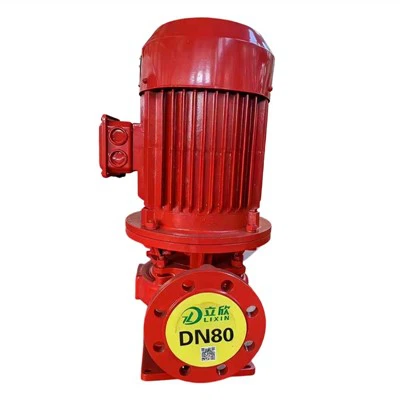
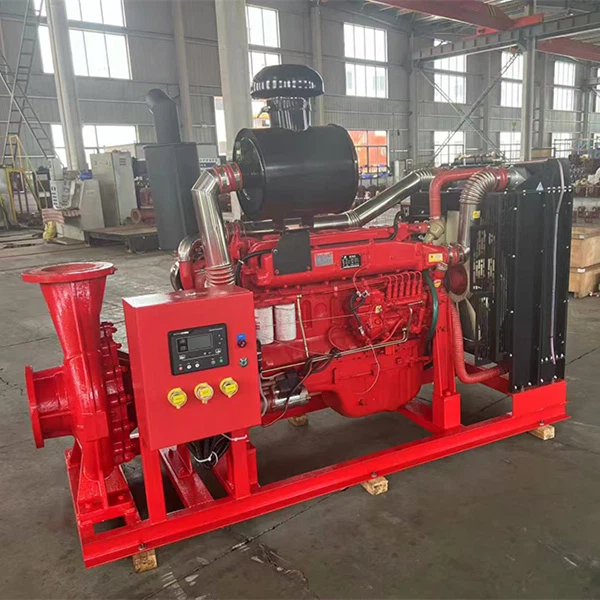
A diesel powered fire pump is an essential component in fire suppression systems, designed to deliver high-pressure water in emergency situations, especially when electrical power is unavailable. These pumps are widely used in commercial buildings, industrial plants, residential complexes, and critical infrastructure where fire safety is paramount. By integrating a diesel engine, dedicated pump, fuel system, and control panel into one unit, diesel powered fire pumps provide reliability, durability, and rapid response under demanding conditions.
The first factor to consider when selecting a diesel powered fire pump is compliance with industry standards. High-quality units are engineered according to GB6245-2006, NFPA, or equivalent national and international standards, ensuring performance under emergency fire scenarios. Compliance guarantees that the pump can deliver the required flow rate, pressure, and duration for fire suppression systems. The pump's capacity is usually determined based on building size, sprinkler system layout, and water source availability, ensuring adequate coverage during an incident.
Material quality and construction are critical for long-term performance. Diesel powered fire pumps are typically made with high-grade steel or cast iron for the pump body and corrosion-resistant materials for engine components. This ensures durability, reliability, and resistance to wear under high-pressure operation. Components such as the fuel tank, cooling system, and control panel are designed for seamless integration, providing a compact and efficient solution that reduces installation complexity while maintaining operational readiness.
Operational efficiency and reliability are key advantages of diesel powered fire pumps. Unlike electric pumps, diesel engines provide self-contained power, enabling the pump to operate during power outages or in remote locations where electricity may not be dependable. High-performance engines ensure rapid startup, consistent water delivery, and sufficient pressure to meet sprinkler or hydrant system requirements. Intelligent control panels monitor engine operation, pump performance, and safety parameters, enabling automatic startup in case of fire detection while providing real-time feedback to operators.
Comparing diesel powered fire pumps with electric fire pumps highlights their unique applications. Diesel pumps are preferred for high-rise buildings, industrial facilities, and remote locations where power interruptions may compromise safety. They are capable of continuous operation for several hours, fueled by on-site diesel storage, and often include automatic transfer switches to ensure immediate activation. Electric pumps, while quieter and easier to maintain, depend on a stable power supply and may require backup generators, which increases complexity and potential failure points.
Industry trends in diesel powered fire pumps focus on enhanced automation, reliability, and environmental compliance. Modern units integrate advanced electronic controls for monitoring engine temperature, fuel levels, vibration, and alarms. Some systems include remote monitoring capabilities, enabling facility managers to track operational status from a centralized dashboard. Additionally, manufacturers are developing more fuel-efficient engines with lower emissions to meet environmental regulations without compromising performance during critical firefighting operations.
Installation and maintenance are crucial for ensuring long-term reliability. Proper positioning, secure mounting, and vibration isolation reduce wear and operational noise. Regular inspection of engine oil, fuel levels, cooling systems, and pump seals ensures readiness and prevents mechanical failure. Routine testing under simulated fire conditions is essential to verify flow rate, pressure, and system response. Following manufacturer guidelines for lubrication, cleaning, and component replacement maximizes safety, longevity, and operational efficiency.
In conclusion, diesel powered fire pumps are indispensable for ensuring reliable fire suppression in environments where uninterrupted water delivery is critical. By combining a high-performance diesel engine, dedicated pump, fuel tank, cooling system, and intelligent control panel into one integrated unit, these pumps provide rapid response, durability, and compliance with national standards. Understanding their operational requirements, material quality, automation features, and maintenance practices allows facility managers, engineers, and safety professionals to select and maintain diesel powered fire pumps that safeguard lives, property, and critical infrastructure during emergencies.