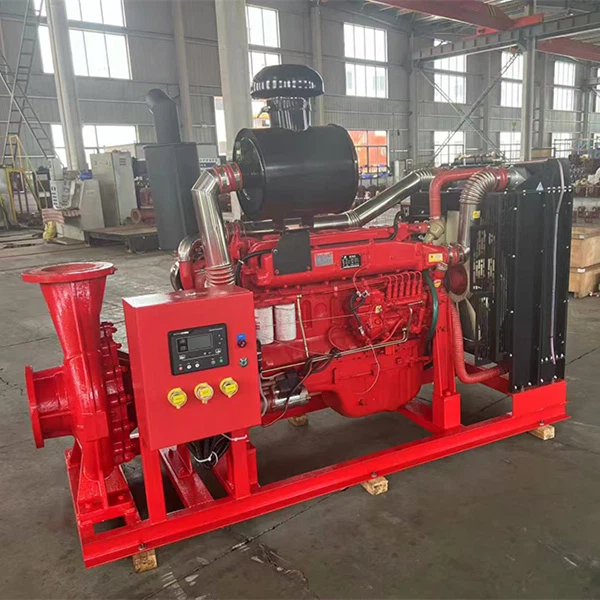
As a seasoned supplier of pump control cabinets, I've witnessed firsthand the critical role these systems play in various industries. From water supply and sewage management to industrial processes, pump control cabinets are the nerve center that ensures pumps operate efficiently and reliably. However, like any complex system, they are prone to faults that can disrupt operations, cause downtime, and incur significant costs. In this blog post, I'll share some practical tips on how to prevent faults in a pump control cabinet, drawing on my years of experience in the field.
Understanding the Basics of Pump Control Cabinets
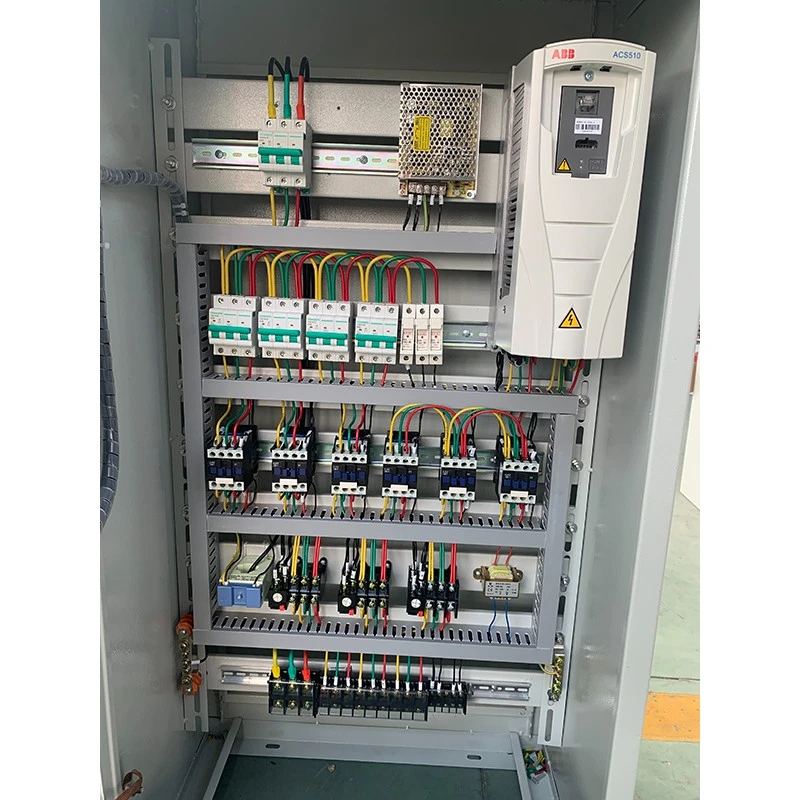
Before we delve into fault prevention strategies, it's essential to understand the basic components and functions of a pump control cabinet. A typical pump control cabinet consists of a power supply, control circuit, protective devices, and monitoring equipment. The power supply provides electrical energy to the pump, while the control circuit regulates the pump's operation, including starting, stopping, and speed control. Protective devices, such as circuit breakers and overload relays, safeguard the pump and the control cabinet from electrical faults, while monitoring equipment, such as sensors and meters, provides real-time information about the pump's performance.
Regular Maintenance and Inspections
One of the most effective ways to prevent faults in a pump control cabinet is to implement a regular maintenance and inspection program. This includes visual inspections of the cabinet and its components, checking for signs of wear, damage, or corrosion. It's also important to clean the cabinet regularly to prevent the accumulation of dust and debris, which can cause electrical shorts and other problems.
In addition to visual inspections, it's also recommended to perform electrical tests on the control cabinet periodically. This includes checking the continuity of the electrical circuits, measuring the voltage and current, and testing the protective devices. By identifying and addressing potential problems early, you can prevent more serious faults from occurring.
Proper Installation and Wiring
Proper installation and wiring are crucial for the reliable operation of a pump control cabinet. When installing the cabinet, it's important to follow the manufacturer's instructions carefully and ensure that the cabinet is installed in a suitable location, away from sources of heat, moisture, and vibration. The wiring should be properly sized and routed to prevent overheating and short circuits.
It's also important to use high-quality electrical components and materials when installing the control cabinet. This includes using the correct type of wire, connectors, and circuit breakers. Using substandard components can increase the risk of electrical faults and reduce the lifespan of the control cabinet.
Temperature and Humidity Control
Temperature and humidity can have a significant impact on the performance and reliability of a pump control cabinet. High temperatures can cause electrical components to overheat and fail, while high humidity can cause corrosion and electrical shorts. To prevent these problems, it's important to maintain the temperature and humidity within the recommended range for the control cabinet.

This can be achieved by installing a temperature and humidity control system, such as an air conditioner or dehumidifier. It's also important to ensure that the control cabinet is properly ventilated to prevent the buildup of heat and moisture.
Training and Education
Proper training and education are essential for preventing faults in a pump control cabinet. Operators and maintenance personnel should be trained on the proper operation and maintenance of the control cabinet, including how to perform visual inspections, electrical tests, and troubleshooting procedures. They should also be familiar with the safety procedures and regulations related to the operation of the control cabinet.
In addition to training, it's also important to provide ongoing education and support to operators and maintenance personnel. This can include regular safety meetings, training sessions, and access to technical resources and support.
Monitoring and Alarm Systems
Installing a monitoring and alarm system can help you detect and respond to potential faults in a pump control cabinet before they cause serious problems. A monitoring system can provide real-time information about the pump's performance, including temperature, pressure, and flow rate. It can also detect electrical faults, such as overcurrent, overvoltage, and short circuits.
An alarm system can alert you when a fault occurs, allowing you to take immediate action to prevent further damage. The alarm system can be configured to send notifications via email, text message, or phone call, depending on your preferences.
Upgrading and Modernizing
As technology advances, it's important to consider upgrading and modernizing your pump control cabinet to improve its performance and reliability. This can include replacing outdated components with newer, more efficient models, installing advanced monitoring and control systems, and implementing energy-saving features.
Upgrading and modernizing your pump control cabinet can also help you comply with the latest safety and environmental regulations. For example, you may need to upgrade your control cabinet to meet the requirements of the National Electrical Code (NEC) or other industry standards.
Conclusion
Preventing faults in a pump control cabinet requires a proactive approach that includes regular maintenance and inspections, proper installation and wiring, temperature and humidity control, training and education, monitoring and alarm systems, and upgrading and modernizing. By following these tips, you can ensure that your pump control cabinet operates efficiently and reliably, minimizing downtime and reducing costs.
If you're interested in learning more about pump control cabinets or need help preventing faults in your existing system, please don't hesitate to [contact us for a consultation]. We're a leading supplier of Variable Frequency Water Pump Control Cabinet, Water Pump Control Cabinet, and Sewage Pump Control Cabinet, and we're committed to providing our customers with the highest quality products and services.
References
- Electrical Installation Guide for Pump Control Cabinets
- Maintenance and Troubleshooting Manual for Pump Control Systems
- National Electrical Code (NEC)